
Elevator models
One numbering block, a series for every duty profile. Tell us the building type, the traffic and the pit and headroom you have, and we will propose the right series.
- Speed1.0–2.5 m/s
- Capacity450–2000 kg
General-purpose passenger lift for offices, hotels and residential towers — machine-room and machine-room-less layouts.
- Speed2.5 – 10 m/s
- Capacity1000–2000 kg
Gearless traction for towers and mixed-use developments, up to 10 m/s.
- Speed0.4 m/s
- Capacity250–400 kg
Compact home lift for villas and low-rise additions — 100 mm pit, no separate machine room.
- Speed1.0–2.5 m/s
- Capacity800–1600 kg
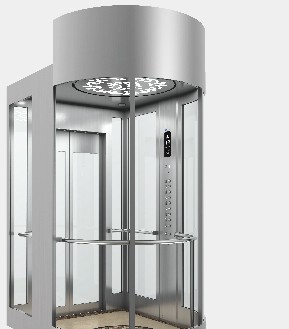
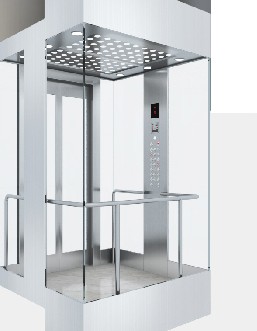
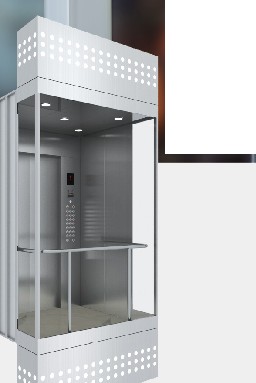
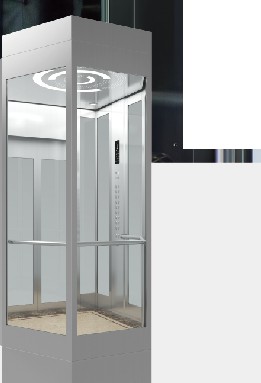
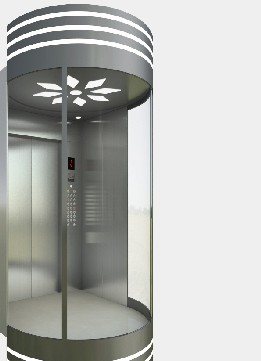
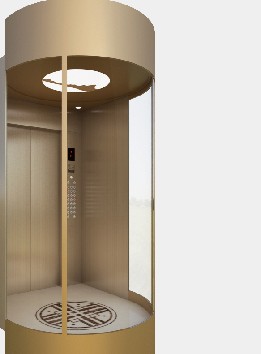
Panoramic glass car — six standard observation designs, shown under Car interior & decoration below.
- ConfigurationDeep cabin · stretcher-ready
- CapacityOn request
Deep, stretcher-ready car with wide centre-opening doors for hospitals and care homes.
- ConfigurationSteel cabin · MR / MRL options
- CapacityOn request
Steel-plate car and reinforced doors for warehouses and industrial traffic; MR / MRL options.
Elevator functions
Every unit we supply is delivered with a complete set of safety and comfort functions. The standard set is included; the optional set is specified per project.
- Interlock protectionAll door interlocks are checked before the car is allowed to run — a broken or shaken interlock stops the elevator.
- Running contactor protectionThe motor circuit is monitored continuously; abnormal pick-up or sticking stops the car.
- Braking detector protectionBrake release is monitored in real time before every start.
- Terminal speed change & floor correctionThe car slows automatically at the terminal switches and self-corrects the floor indication.
- Re-levellingIf loading changes the car level, the car returns to floor level automatically before the doors open.
- Early door openingDoors begin to open as the car reaches the destination floor, shortening the ride.
- Automatic operationDoors open on arrival and close after an adjustable delay; car calls register automatically and landing calls are answered in the direction of travel, with the furthest call in the opposite direction collected on the way.
- Attendant operationDoors open on arrival and close on command; car calls register automatically and landing calls are answered in the direction of travel.
- Inspection operationWith the system in inspection mode the car travels up or down at inspection speed while the button is held, and stops when it is released.
- Automatic door opening on power-upWhen the system is energised and the car is standing in the door zone, the car door opens automatically.
- Adjustable door-close delayAfter the car door is fully open it is held open, then closes automatically once the set delay has elapsed.
- Re-opening on a same-floor callIf the car door is closing, or closed but not yet started, a landing call on that floor re-opens the door.
- Light curtain protectionIf the safety edge or light curtain is obstructed, the closing movement stops at once and the door re-opens.
- Overload protection — door stays openOn overload the doors do not close, the overload lamp lights, the buzzer sounds, CZ is shown in the car display and the car will not start.
- Full-load bypassAt rated load the car answers car calls only and does not respond to landing calls.
- Attendant bypass controlIn attendant operation, pressing the bypass button makes the car answer car calls only.
- Running status displayThe LCD on the main control board in the controller shows running status, direction, current floor, door status, load and fault messages.
- Automatic car lightingCar lighting switches off automatically after 15 minutes without use and comes back on with any call.
- Automatic levelling on faultIf the car stops outside a door zone while running at speed, it creeps towards the nearest intermediate floor and opens the doors at level.
- Fire-fighting operationAll car and landing calls are cancelled, the car returns to the fire-fighting base floor with the doors held open and a fire link signal is output.
- Mis-registered call cancellationPressing a car call button a second time cancels its registration and the button lamp goes out.
- Standby floor settingWith no attendant, when the car has no calls for a set period it returns automatically to the standby floor.
- Stuck landing button self-diagnosisIf a landing button is held for more than 20 seconds the system treats it as stuck, refuses the call at that floor and flashes that button response as an alarm.
- Fault diagnosisFaults are diagnosed automatically and shown on the LCD; the time, type and floor of the last ten faults are kept in a fault-report menu for the service technician.
- Arrival gongA gong on the car top sounds during deceleration and levelling to alert passengers in the car and waiting at the landing.
- Parking controlWhen the key switch on a designated floor is operated, the car returns to that floor after answering all calls, turns the car lighting off and lights the park indicator.
- Non-stop floor settingSelected floors can be set so that the car passes them without stopping.
- Custom floor display charactersThe character shown for each floor (letter or symbol) is set by key operation on the LCD in the controller.
- Timed automatic start and stopThe installation starts and parks itself automatically at the times set in the controller.
- Attendant direction settingBefore starting, the attendant presses the up or down button to set the running direction in advance.
- Earthing and interference assessmentController earthing and bus-cable shielding on site are assessed on commissioning so that interference sources can be eliminated for reliable microprocessor control.
- Emergency electric operationWhere the safety circuit has failed but normal power is available, a jumper on part of the safety circuit lets trapped passengers be released in the shortest time and the lift returned to service.
- Shaft self-learningIn inspection mode the car runs from the lower limit switch up to the upper limit switch, measuring and permanently storing the door-zone and shaft-switch positions of every floor.
- Reverse running protectionIf the car runs against the command direction for three seconds, the system stops it immediately, raises a fault alarm and blocks all car movement until the CPU is reset.
- Repeat door closingIf the door interlock circuit is not made within the set time after a close command, the doors re-open and then close again.
- Safety circuit protectionIf the safety circuit opens, the car stops running immediately.
- Limit switch protectionWhen a limit switch operates, the system stops the car immediately.
- Ultimate limit protectionWhen the ultimate limit switch operates, the whole system is de-energised at once.
- Special runningAttendant mode — landing calls are disabled and the car is driven from inside the cabin, with the doors operated as with an attendant.
- Anti-nuisanceCar calls are cancelled at the terminal floor; under light load a maximum of three calls register at a time.
- Handicapped operationExtended door dwell with dedicated car and landing call panels and raised control buttons.
- Long-distance monitoringWired or wireless link to a remote monitoring centre for live operating status.
- Building monitoringBus link to a PC in the building control room, showing floor position, running direction and fault status.
- Voice arrival announcementSpoken floor and direction announcement at every stop and before the doors close.
- Parallel operationTwo cars share landing calls over a CAN link, so each call is answered by the nearest car.
- Group controlCentralised dispatch for up to eight cars — the group answers the most suitable call and avoids repeat stops.
- Spare operationWith group control — one car keeps serving the group when another is taken out of service.
- Continuous operationWith group control — cars keep running on a continuous service pattern.
- Up-peak serviceWith group control — cars return to the main lobby to clear morning peak traffic faster.
- Distributed standbyWith group control — cars spread across floors between calls so the nearest one answers first.
- ID / IC card accessAn ID or IC card reader restricts the lift to authorised users.
- BAS interfaceBuilding automation interface for supervising the operation of the whole installation.
- LCD indicationLCD floor and direction indication in the car and at the landings.
- Lift emergency deviceOn power failure or a mid-travel stop the car travels to the nearest floor and opens the doors to release passengers.
- Through-door controlCorrect opening and closing of through (opposite) doors on the relevant floors.
- Push-aside protectionIf a landing door is forced open the car enters a protected state and cannot run; reset by switching the power off and on.
- Extended door dwellA button press before the doors close extends the door-open time to a preset value.
- Safety-edge protectionLight curtain or safety edge reverses the doors on contact with a passenger or load.
- Electric brake releaseRemote electric brake release for machine-room-less installations.
Standard & optional functions — 59 items in total
38 standard functions are fitted across the range; the other 21 are configured per project. Ask us for the function list that fits your building.
Car interior & decoration
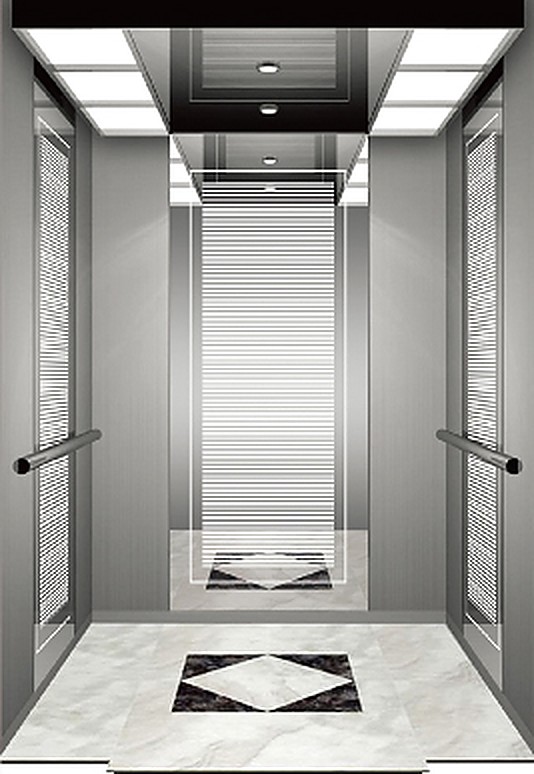
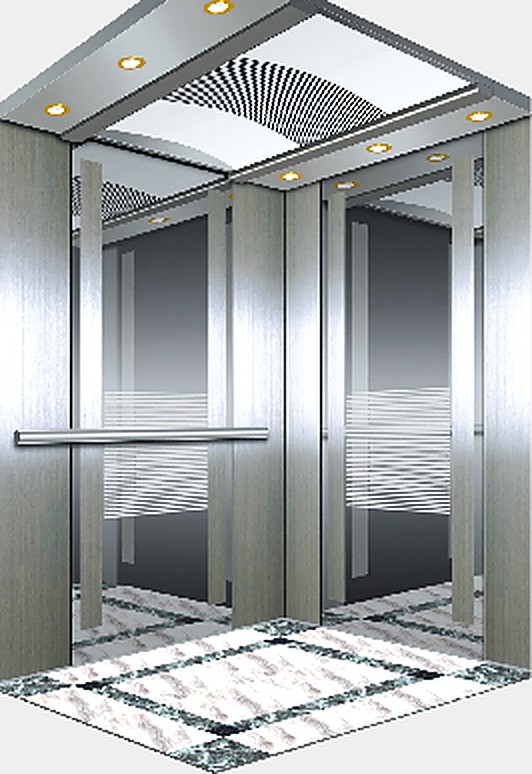
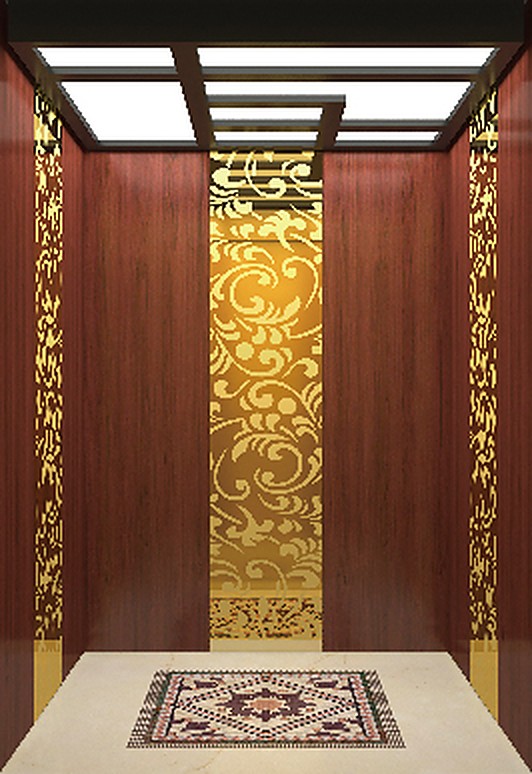
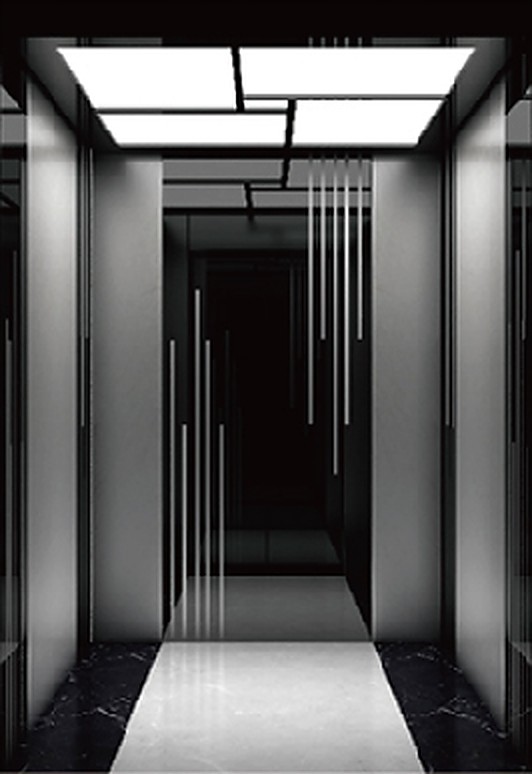
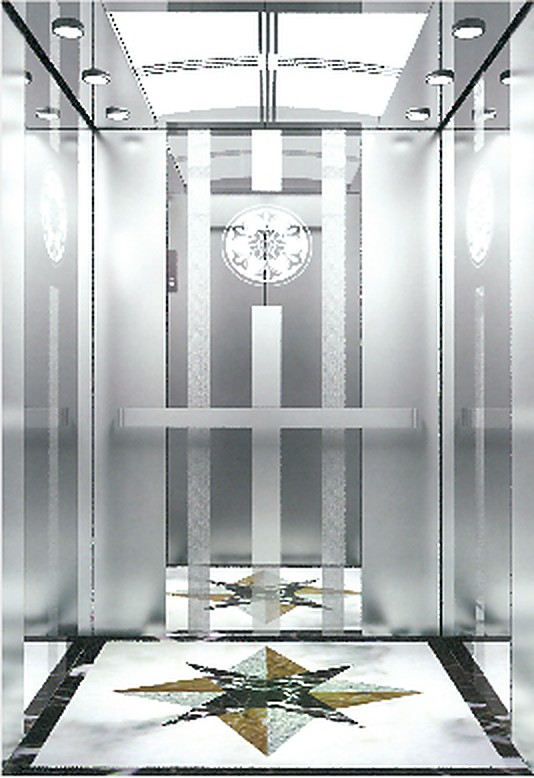
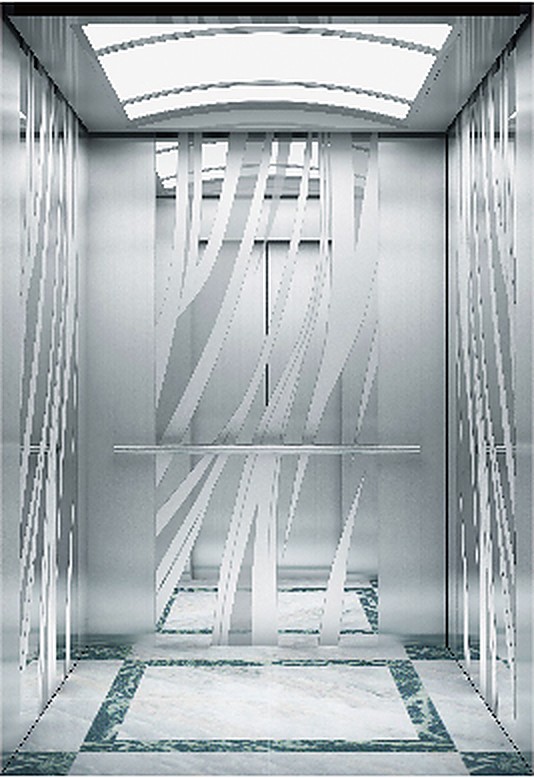
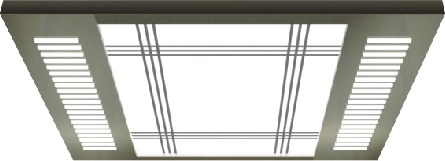
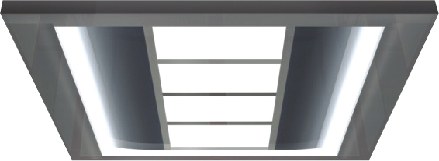
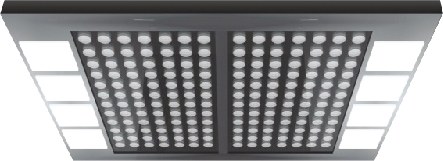
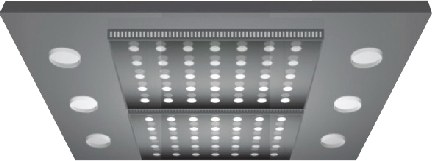
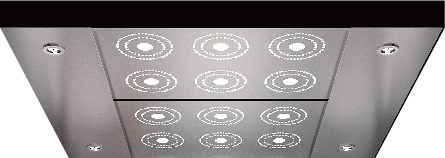
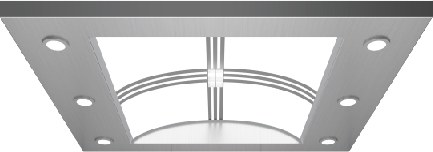
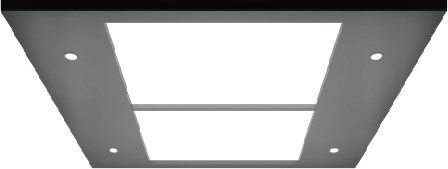
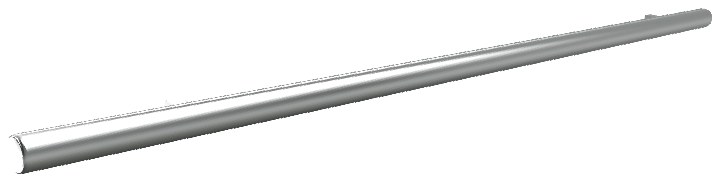
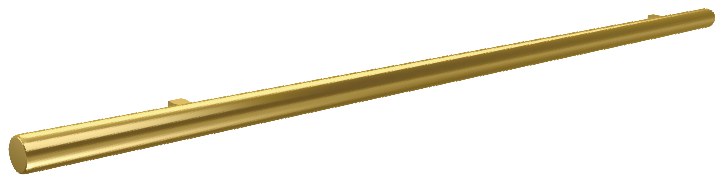
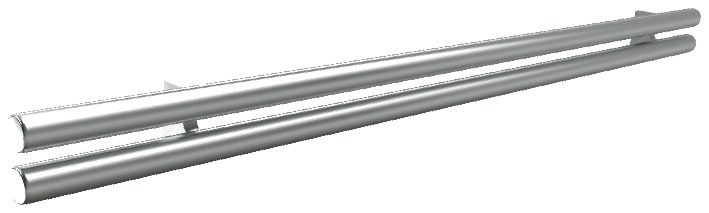
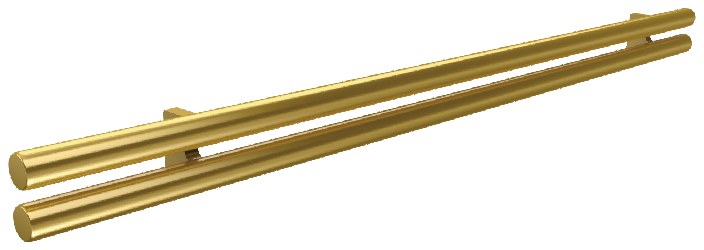
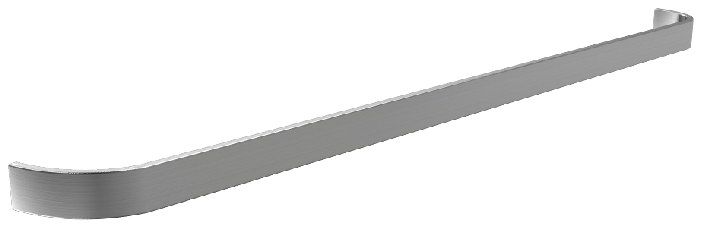
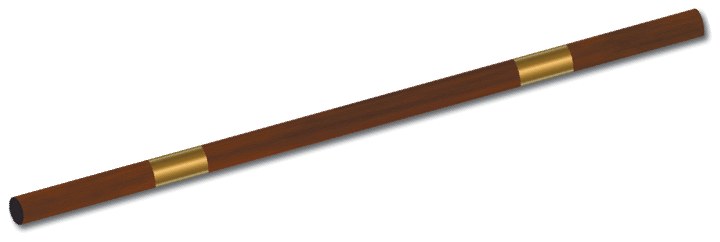
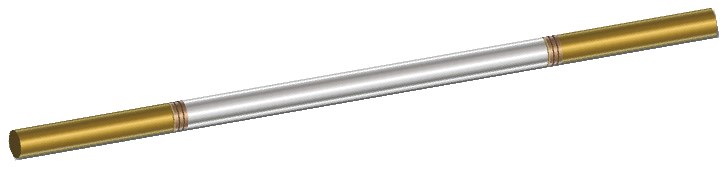
The car is specified finish by finish — body configuration, ceiling, handrail and floor. A selection of the standard options we supply:











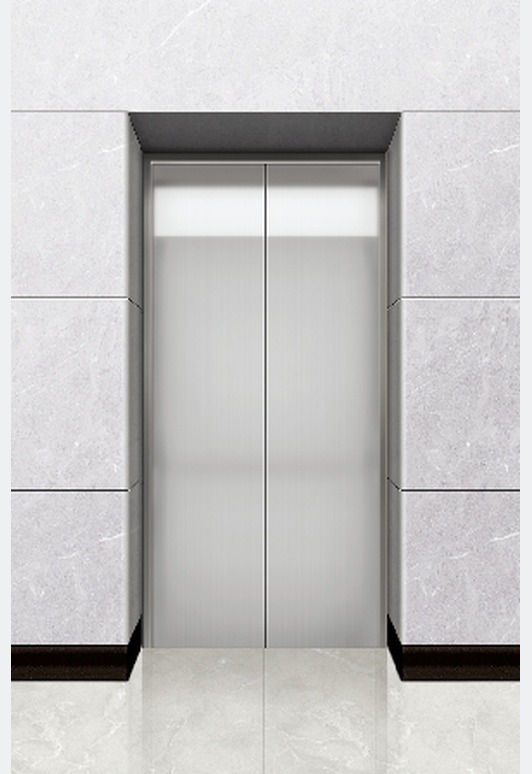
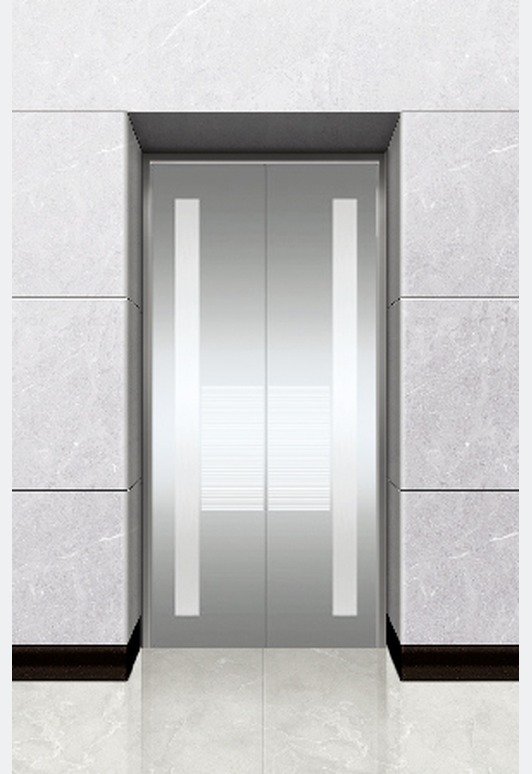
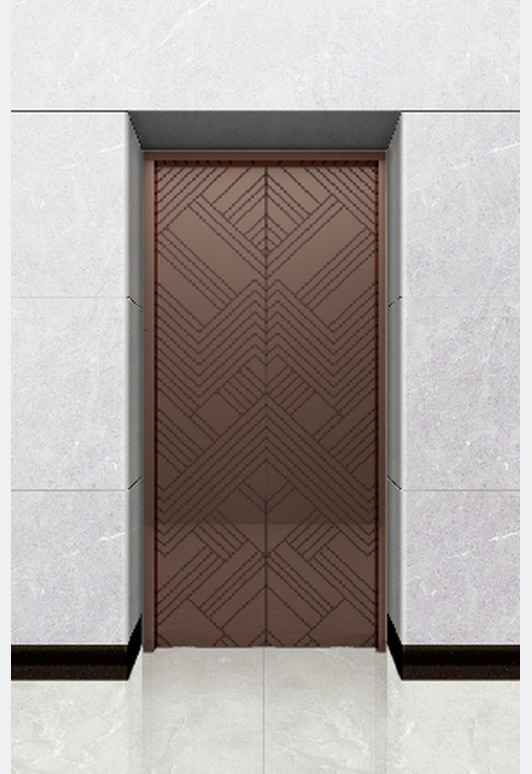
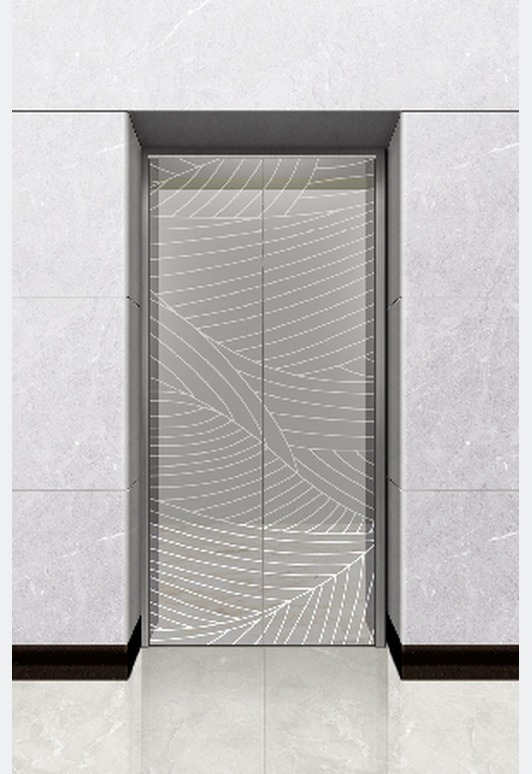
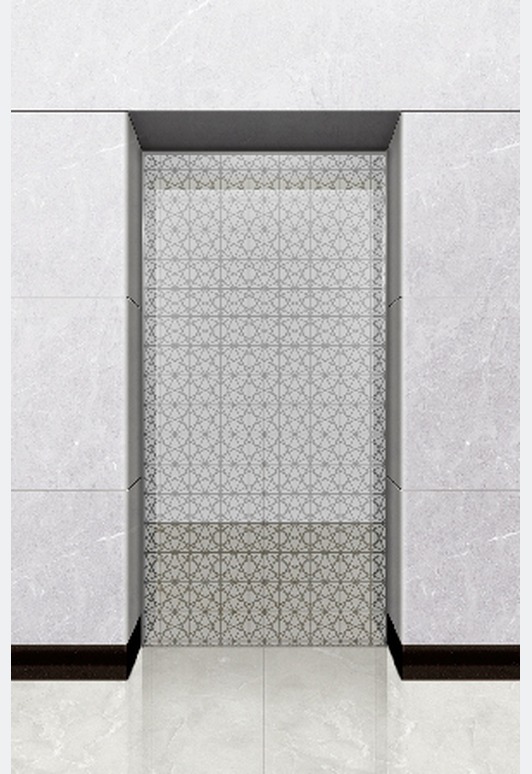
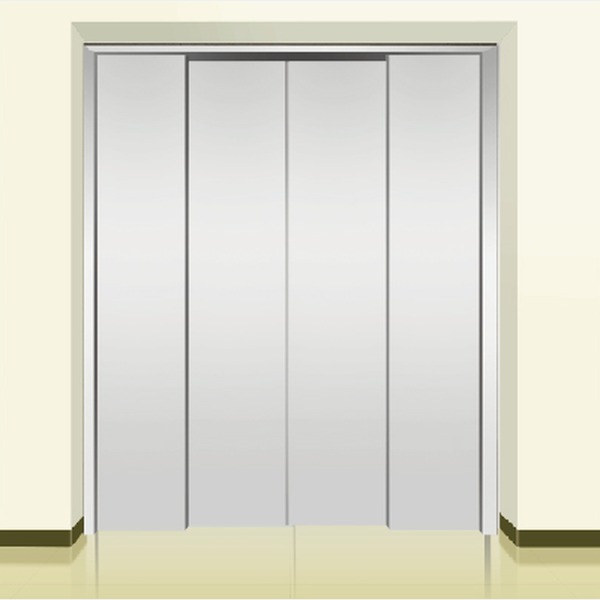
Hall door finishes & opening types
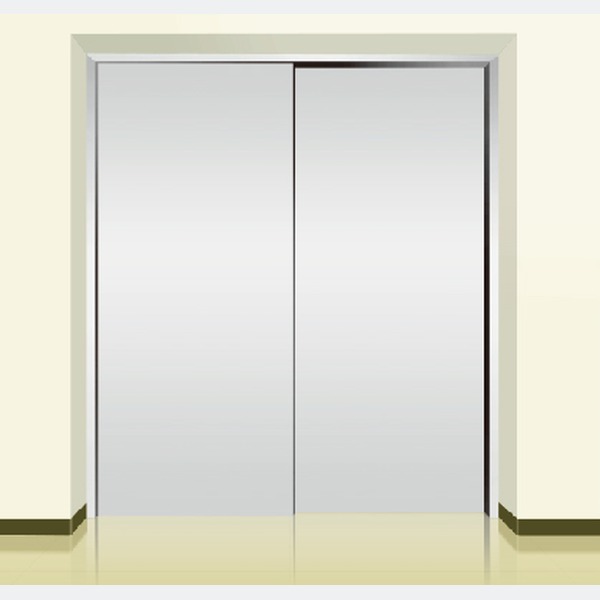
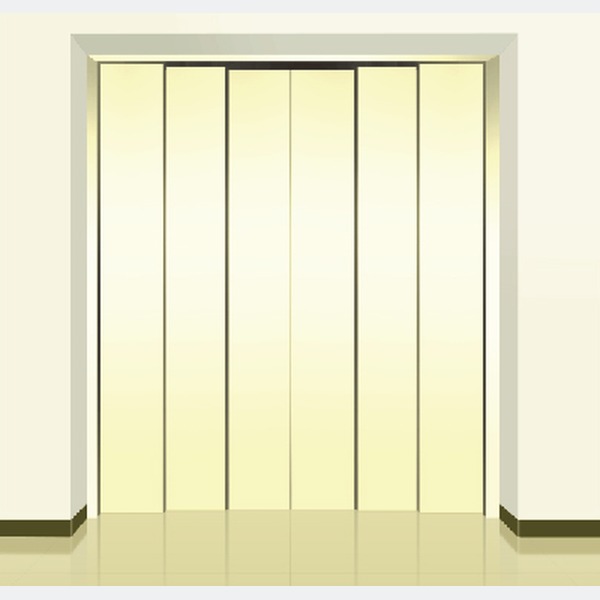
Landing entrances are specified separately from the door operator: choose the panel finish and the opening configuration to suit the lobby.

Door operators & landing door devices
Six door operator models and five landing door devices are listed with the components.
See the door components